What Is Asset Performance Management?
Asset Performance Management software automates data capture, integration, visualisation, and the analytics needed to understand asset performance, and shares that knowledge with a wider, often less technical, audience. When APM information is presented simply and in context, what would otherwise be a mountain of mostly useless tables becomes genuinely insightful, to the point that anyone can quickly tell whether everything is under control, something is slightly off track, or it's time to act.
Is APM Software Reliable?
Anyone improving asset performance through software would reasonably assume that software needs to be reliable. It's a fair question: why use a questionable platform to manage the reliability of an asset that's critical to operational performance? Operationalised software, proven over time, is the safer choice over custom code and machine learning tools that carry real risk as source code updates roll out or the developer responsible becomes unavailable. A free, downloadable software stack might prove a point, but with embarrassingly high failure rates for AI projects generally, industrial solutions call for industrial software that's genuinely time-tested. Industrial platforms keep maturing with better data collection and analytics without needing to reinvest in the fundamentals. For critical, complex assets, that's the safer choice.
What Does APM Software Do?
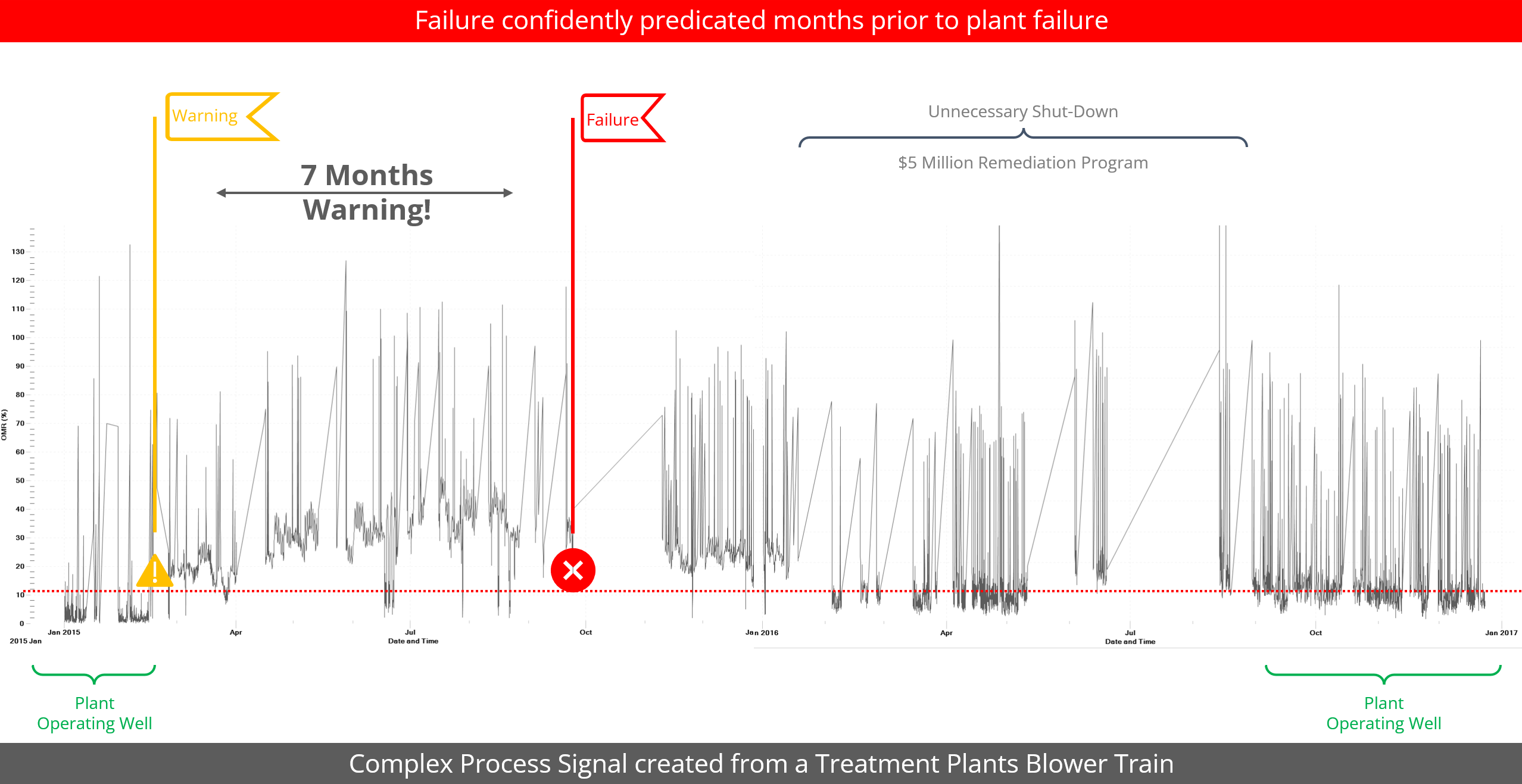
APM software takes the heavy lifting out of interpreting data streams from asset instruments and controlling devices, processing that data with AI, machine learning, pattern recognition, or whichever method suits the asset best. Here's an example of what APM software can do:
APM Objectives
Asset performance management systems improve the reliability and availability of physical assets while minimising risk and operating cost. Some call this a scientific approach to cost avoidance, and they'd be right, though you don't need to be a data scientist or programmer to get the value from it.
Components of an APM System
APM typically includes condition monitoring, predictive maintenance, asset integrity management, and reliability-centred maintenance, often built on technologies for asset health data collection, visualisation, and analytics.
How APM Helps With Cost Avoidance
Cost avoidance is about preventing a failure and getting there before it becomes a mess, delaying expensive unplanned maintenance. It's possible because asset operators and owners build empirical evidence and real confidence that an asset's operational performance signature hasn't changed since new or since its last rebuild. The same systems prevent a dangerous assumption after a maintenance event: that once the alarms clear and everyone goes home, the asset is back to normal. It may not be, and the gap is often undetectable to the naked eye using traditional automation controls and statistical process control alone, until it fails. Traditional tools still have their place, just not for predicting the future.
How Parasyn Implements APM Solutions
Our digital systems engineering team designs, implements, and supports asset performance and advanced data applications built on a well-engineered data management platform. We can advise on how to get started, and whether your situation is genuinely ripe for the reward. Our purpose is to transform how customers manage their critical assets using a systems approach to solutions and the right technology to deliver real step change for the organisation.